

Working through the fidget
What a yin yoga pose, an overgrown tomato plant, and a haircut taught me about structure, growth, and why real change has to come from you.
How Structure & Pruning Fuel Your Growth
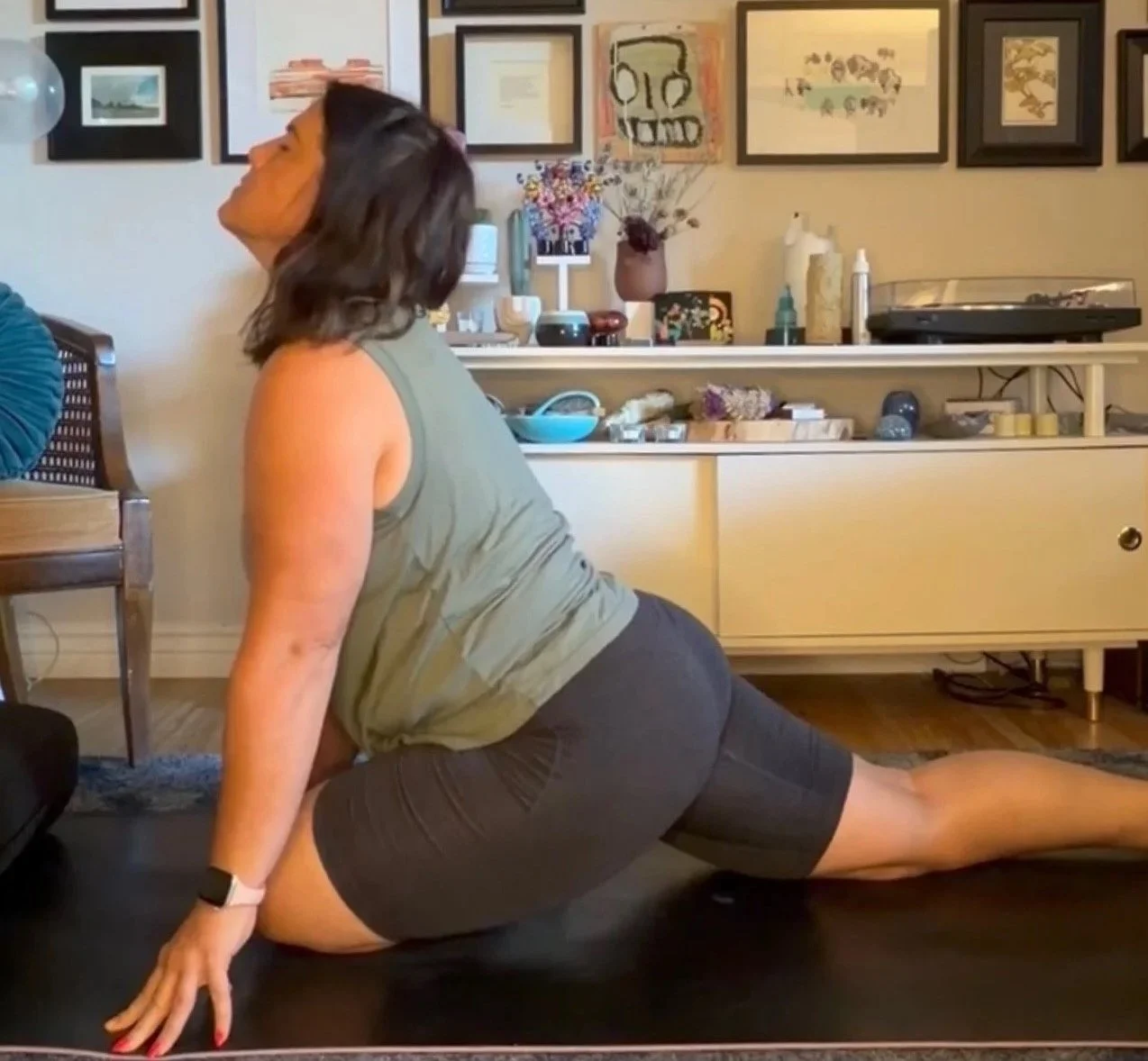
I could feel myself starting to fidget on my yoga mat. I was in pigeon pose, a deep hip stretch. Picture one leg bent in front of me like a half-crossed leg, and my other leg extended straight out behind me like I was doing a split, while I leaned forward over my knee. It’s an intense pose, and after a few minutes in this position, my left glute demanded my attention.
"You've been here a while, haven't you?" I ignored it, but it nudged me again.
"Are we done yet?" I answered by exhaling through my nose steadily, deepening my next inhale. As I imagined sending my breath down to my hips, I thought, "Just a little bit longer. Hold on."
I adjusted, shifting my hips to the right trying to alleviate the discomfort. Still not enough. Another shift. Another deep inhale and a deep exhale. "Enough already. Yes?" I wasn't in pain. I was just uncomfortable. Yet with each exhale, I could feel my hip and butt give a little bit more, releasing tension. Ah yes, that's it, I thought.
As the yoga teacher instructed us to slowly move out of the pose, and into a resting position, I sighed with relief and remembered that we still had to do the other side. My hips reminded me that I had chosen to sign up for this yin yoga class. This style of yoga is a slow-paced practice where you hold gentle, floor-based poses for several minutes at a time to target deep connective tissues like fascia, ligaments, and joints. I jokingly call it "my time to work through the fidget."
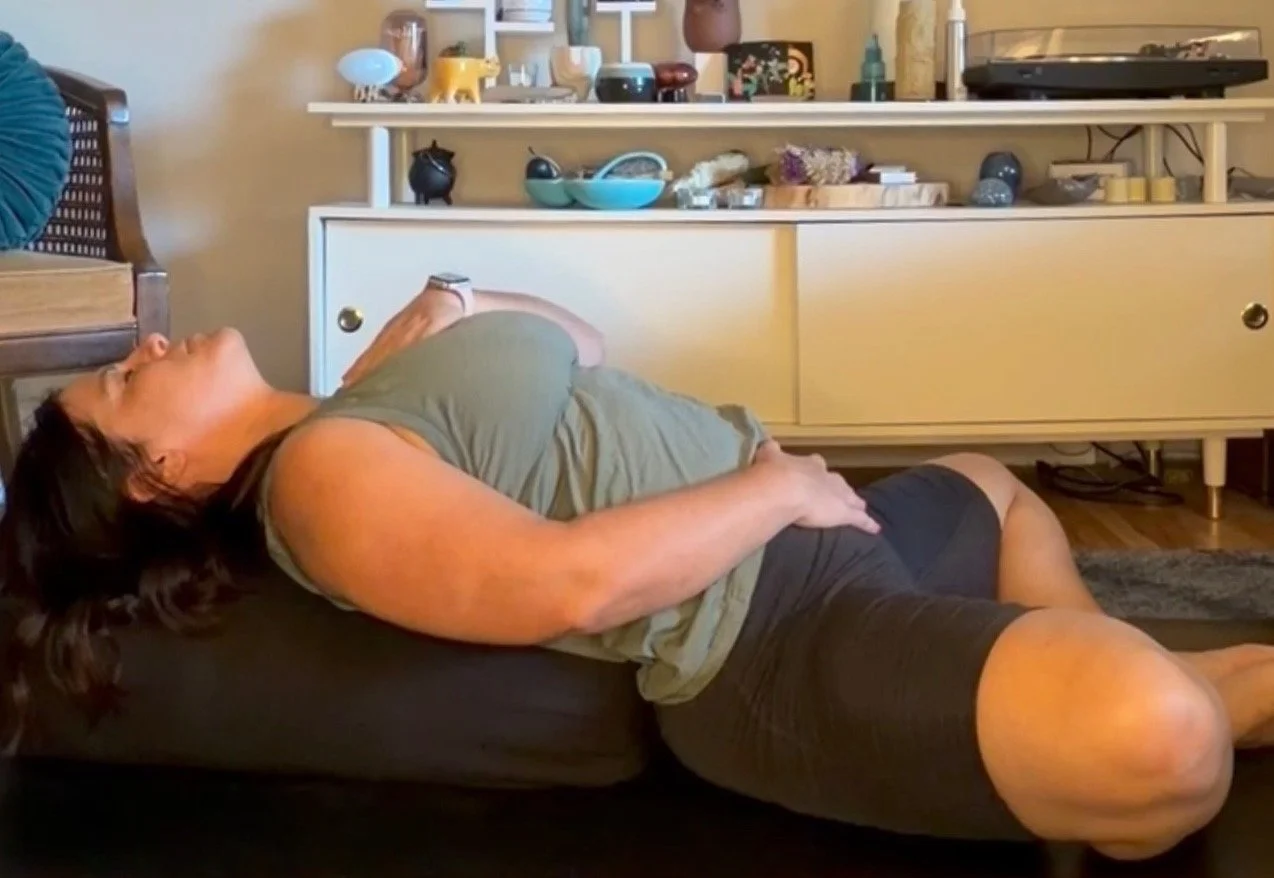
When I share with other people that I attend this class, they often respond with something along the lines of "I would hate that class," and I just smile, knowing that I had once said something similarly, too. My yoga practice has very much evolved over the years, moving from power to flow to now more gentle practices like restorative and yin. I came to these slower practices because I knew that I needed to grow more comfortable with what made me uncomfortable, namely sitting still with my breath, body, and mind. It's exactly because I know I wouldn't do this on my own that I sign up and pay for these classes. I would not sit through this discomfort if I did not have the support and structure. It keeps me in the pose for longer than if I was left to my own devices.
What my tomato plants taught me about structure
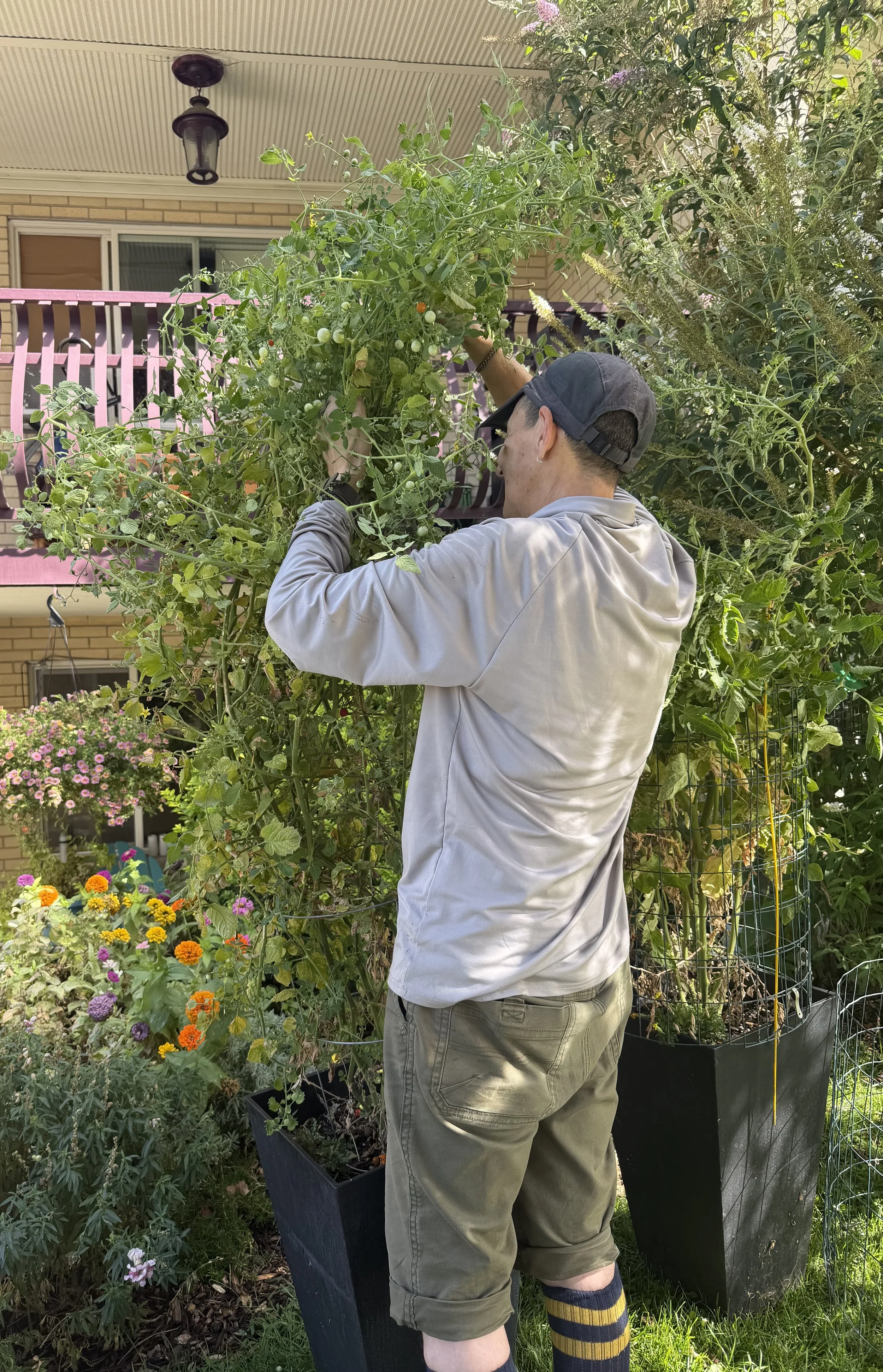
This past week I had to move my tomato plants off my front steps so I could clear the way for a new refrigerator delivery. My neighbor had helped me build large trellises and supports for them (well, she built them, and I supervised), but with this structure, they had grown impressively tall making their own shapes. Gloria, the cherry tomato plant, didn't grow into some predetermined form the trellis dictated; she used it to reach exactly where she wanted, limbs stretching to over eight feet. Dolly did the same, though her plump yellow fruit was weighing her down a bit. The heirloom plant, Jackie, with her black shade covering, was coming back after the summer's relentless heat, so she was easy to move out of the way. But Gloria and Dolly had intertwined themselves, top heavy, so we had to trim them down.
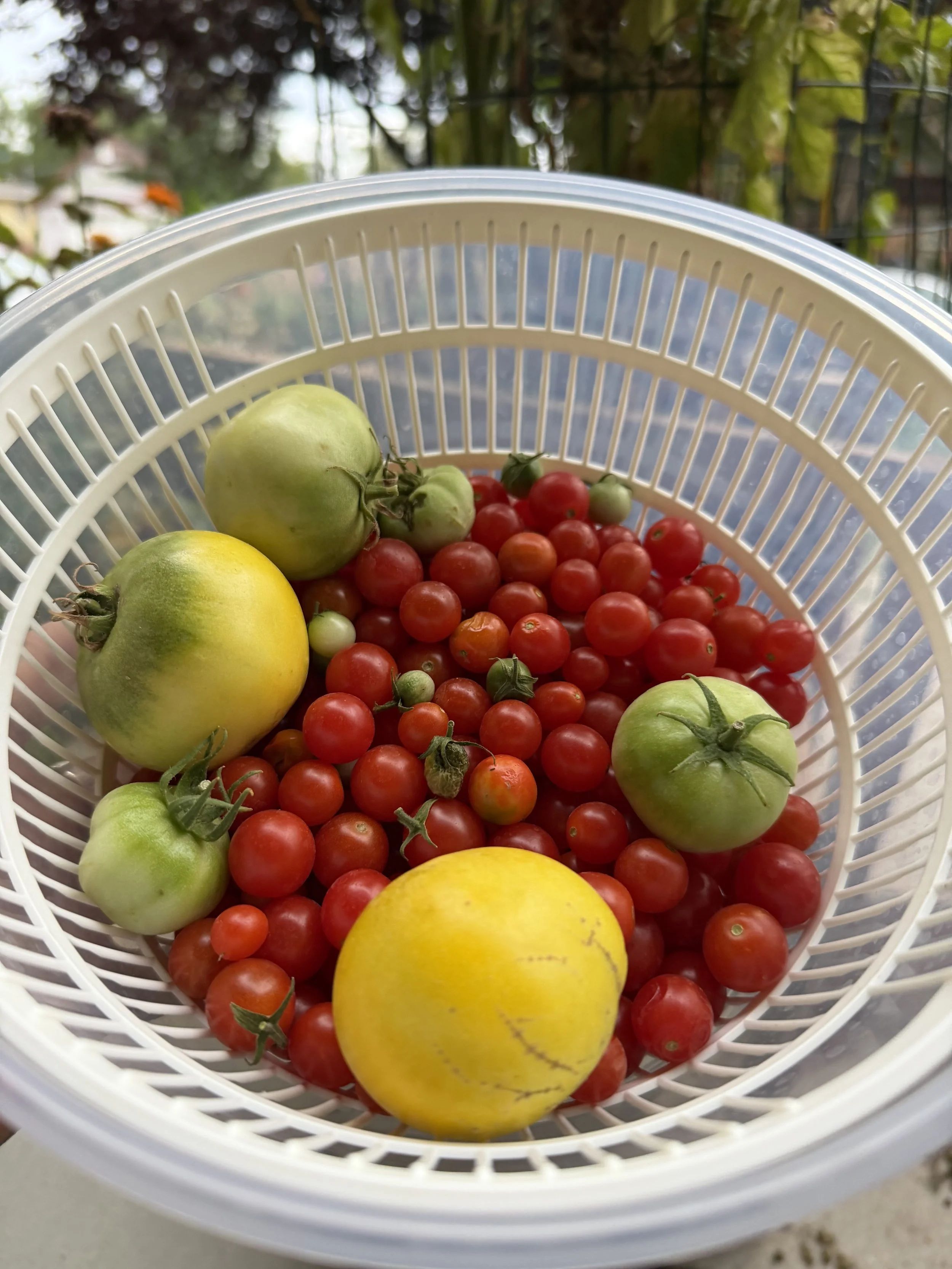
Now back within their support system, they could keep doing what they'd been doing all along: growing, fruiting, becoming more than they'd be on their own. Without the structure, Gloria never gets to eight feet in the first place — and without someone willing to cut her back when she's tangled herself into a mess, she stops producing altogether.
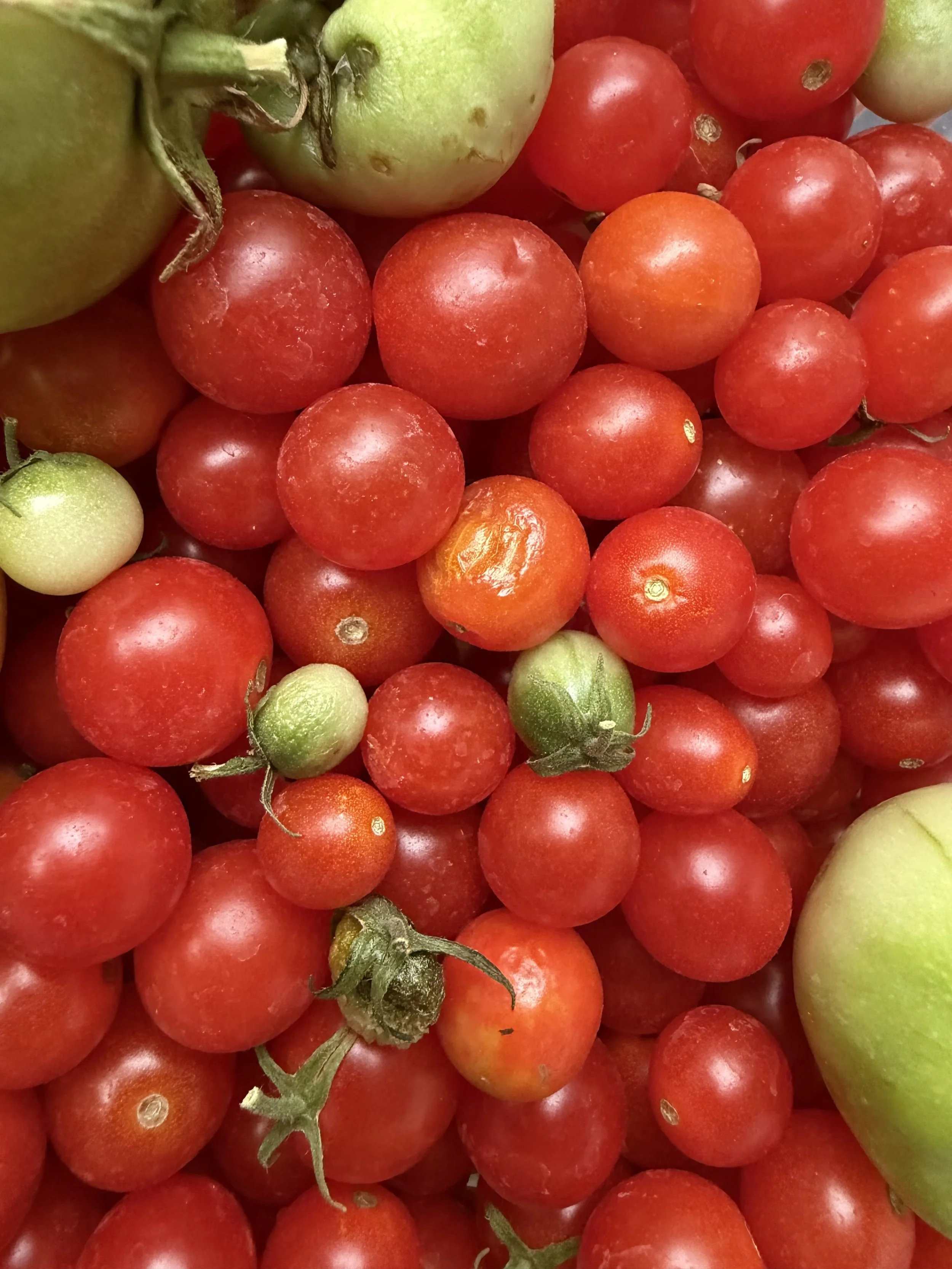
That's the part I often forget. I want the support, but I want to skip the pruning. I'll sign up for the yin class, even attend, but I still flinch at the parts where something in me has to be cut back to keep making fruit. Growth doesn't ask permission before it gets unwieldy. It just grows toward whatever structure you give it. And then, eventually, it needs you to reach in and trim.
The difference between being trimmed and being hacked at
But there's a difference between being trimmed and being hacked at. When my neighbor and I cut Gloria and Dolly back, it happened with some care. We knew roughly where new growth wanted to go, and we were choosing the cut for the plant's sake, even while we picked ripe fruit along the way. That's different from someone hacking away at you on their own timeline and terms, without knowing your shape from the inside, cutting because it's convenient for them rather than because it's time for you.
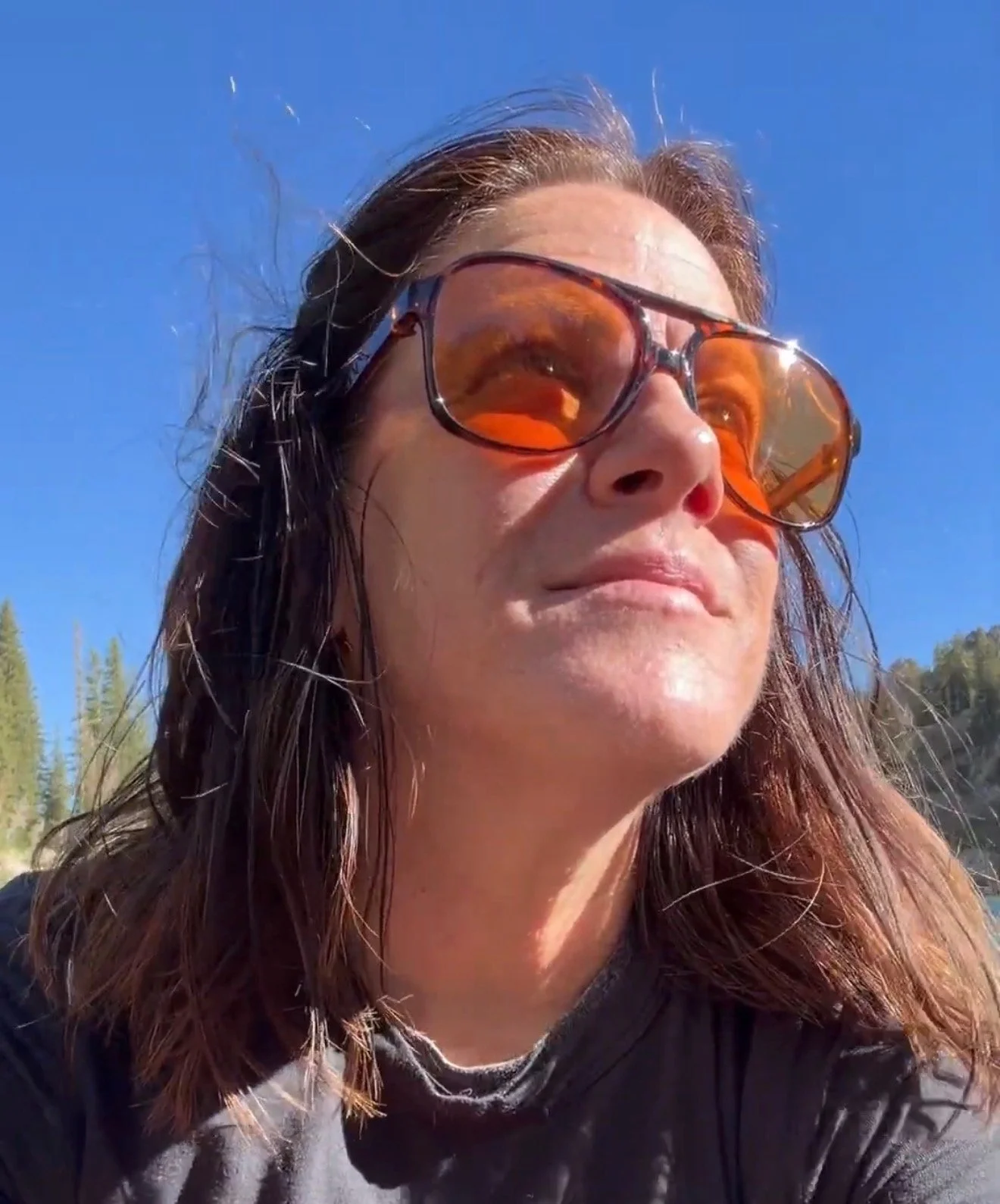
I thought about this same distinction a few weeks ago, sitting in a salon chair. I'd been trimming my hair for years — just enough to keep the ends healthy, the old growth managed. Then I sat down and cut off six inches. Nobody told me it was time. I just knew, the way you know when something has outgrown the version of itself that's been holding it. I wanted to feel lighter, freer. I wanted the old growth gone so there was room for what's coming instead of what's already there.
Why the insight that sticks is the one you find yourself
Sometimes I wish someone would just tell me what to do. It sounds so much easier — hand me the answer, skip the discomfort, skip the guessing. But I've noticed that the advice I didn't arrive at myself, I find a hundred reasons to set aside. It doesn't fit. It's not quite right for me. I meant to, but I didn’t. The insight that sticks is usually the one I get to myself — even if someone else built the structure that got me there or held the shears while I figured out where to cut.
I hear versions of this from the people I work with, too — the wish to be told, the resistance to being given a shape that isn't theirs. They don’t want to stay tangled or suck, but whatever gets them untangled or moving again has to feel like it came from them, or it doesn't hold.
This is why people hire a coach
This is, I think, why people hire a coach. Not to be told what to cut, and not to have someone hack away at whatever they think needs to go — that never lasts anyway.
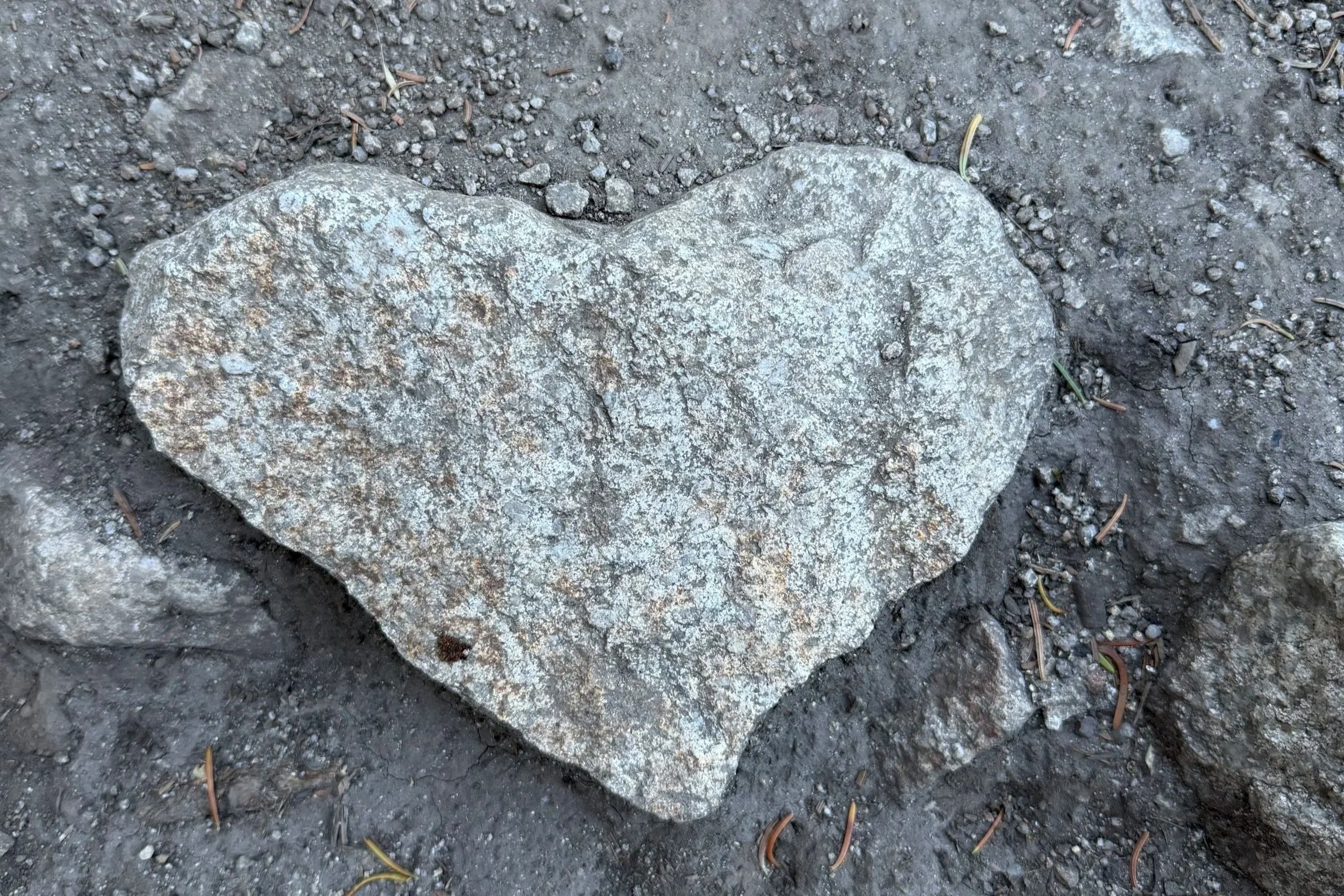
It's to have someone who'll hold the structure while you make your own shape and stay in the discomfort a little longer than you would alone – someone who's pruned before, who can see the tangle you're too close to see yourself, and who knows better than to hand you their read on it. Not so you'll need them forever, but so that one day, you're the one who knows it's time, and you're the one who does the cutting.
If something in this essay named what you’ve been living, I’d love to talk. I work with people one-on-one — through ecosomatic coaching rooted in the body and the land — who are ready to stop reducing themselves to fit systems that were never built to hold them. thesequoiacircle.com